
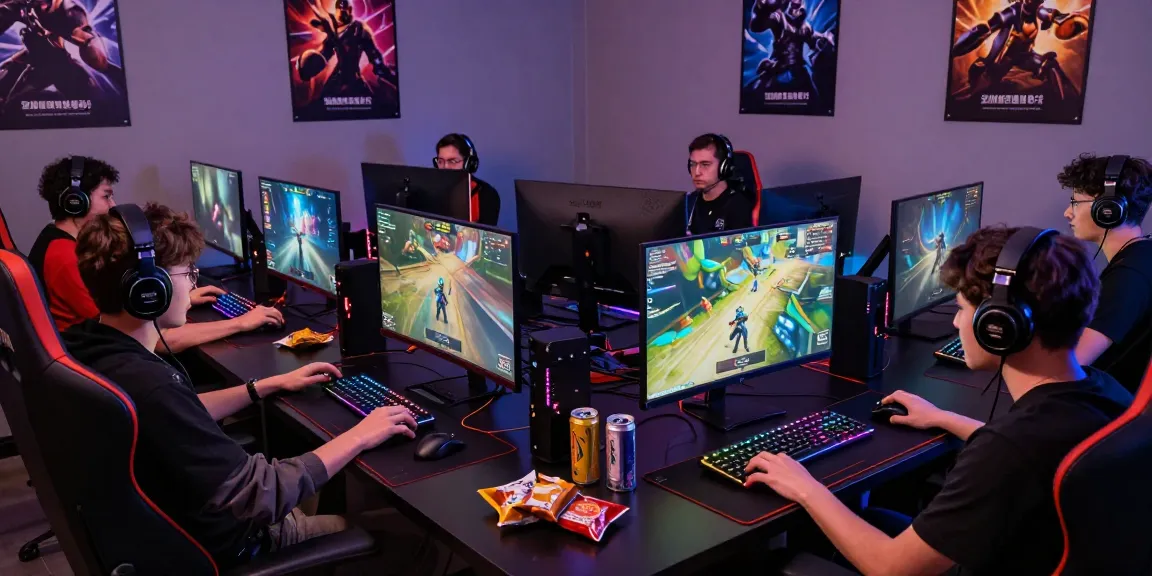
Understanding the Rise of Online Gaming
In recent years, the online gaming industry has witnessed unprecedented growth, driven by advancements in technology and evolving consumer preferences. Today, millions of gamers connect virtually across the globe, bringing together diverse cultures and gaming styles. As we head toward 2026, understanding what fuels this expansion is vital for developers, marketers, and players alike. With the emergence of platforms like rokok88 link alternatif, gamers can explore a plethora of gaming experiences that cater to their interests and preferences, leading to a more engaged community.
What Drives Modern Gamers?
The motivations behind modern gamers’ choices are complex and multifaceted. Key factors include:
- Social Interaction: Gaming is no longer a solitary activity; it has evolved into a social platform where friends connect, meet new people, and form communities.
- Competitive Spirit: Many gamers are motivated by competition, whether through ranked matches or eSports tournaments, driving them to improve their skills continuously.
- Storytelling and Immersion: Gamers gravitate toward immersive narratives and rich worlds, facilitating deeper emotional connections to the gameplay experience.
- Accessibility: The rise of mobile gaming and cloud-based platforms has made gaming more accessible than ever, attracting a more extensive audience.
Key Trends in Online Gaming for 2026
As we look ahead, several key trends are likely to shape the online gaming landscape:
- Increased Focus on Virtual Reality (VR): As VR technology matures, more games will incorporate immersive environments that enhance player experiences.
- Cross-Platform Play: The demand for cross-platform compatibility is growing, allowing players on different devices to compete together.
- Subscription Services: With the success of game subscription platforms, more developers may adopt this model to provide gamers with access to a vast library of titles.
- Blockchain and NFTs: The integration of blockchain technology and Non-Fungible Tokens (NFTs) is expected to revolutionize ownership and monetization within games.
The Role of Community in Gaming Culture
Community plays a pivotal role in shaping gaming culture. Online forums, social media groups, and streaming platforms enable gamers to share experiences, tips, and strategies. Additionally, the rise of influencers and streamers has made community dynamics even more significant, fostering a sense of belonging among players. Brands are beginning to recognize this and are leveraging community engagement through targeted marketing strategies to grow their audience.
Effective Strategies for Game Engagement
To maintain a competitive edge in the online gaming market, developers need to implement innovative strategies that enhance player engagement. Understanding what keeps players invested in their games is crucial for long-term success.
Utilizing rokok88 link alternatif to Enhance Experience
Incorporating platforms like rokok88 link alternatif can significantly enhance gaming experiences by providing alternative access points and resources for players. This can lead to increased player retention and satisfaction.
Best Practices for Player Retention
Effective player retention strategies include:
- Regular Updates: Launching new content and features keeps the game fresh and exciting.
- Reward Systems: Implementing loyalty programs or in-game rewards incentivizes players to continue engaging with the game.
- Community Events: Hosting events within the game encourages participation and fosters community spirit.
Creating Compelling In-Game Content
Developers must prioritize creating high-quality in-game content. This can include:
- Dynamic Storylines: Engaging narratives that adapt based on player choices add depth to the gaming experience.
- Unique Characters: Memorable characters can enhance player attachment and investment in the game.
- Interactive Environments: Creating interactive and destructible worlds can lead to a more immersive experience.
Technology Impacting the Future of Gaming
Technology is the backbone of the gaming industry. Advancements continue to reshape how games are developed, played, and monetized.
The Role of AI and Machine Learning
Artificial Intelligence (AI) and machine learning will play increasingly vital roles in creating smarter NPCs (non-playable characters) and personalizing player experiences. These technologies can adapt gameplay based on individual player behavior, enhancing the overall gaming experience.
Innovations in Game Streaming Technologies
As internet speeds increase and cloud gaming becomes more mainstream, streaming technologies will allow players to access high-quality games without the need for expensive hardware. This democratizes gaming and allows a broader audience to participate.
Emerging Platforms for Game Developers
The rise of new platforms, including mobile and console hybrids, provides developers with more opportunities to reach their target audiences. This diversification also leads to innovative game designs tailored to different user experiences.
Challenges in the Gaming Industry
Despite the growth, the gaming industry faces significant challenges that need to be addressed to ensure sustainable progress.
Addressing Player Security Concerns
As gaming increasingly moves online, the potential for data breaches and harassment becomes more acute. Developers must implement robust security measures and clear community guidelines to protect their players.
Overcoming Market Saturation in Game Launches
With an overwhelming number of games released each year, standing out in a saturated market is challenging. Brands must forge unique identities and invest in targeted marketing to capture the attention of gamers.
Handling Regulatory Changes in Gaming
As governments worldwide update regulations related to gaming, developers must stay informed and adapt their practices accordingly. This can include changes in data protection laws, gambling regulations, and more.
Looking Ahead: The Future of Online Gaming
The future of online gaming is filled with possibilities. As technology advances, so too will the ways in which we experience and interact with games.
Predictions for Gaming Trends Beyond 2026
Future trends are expected to include:
- Heightened Realism: Improved graphics and AI will create more realistic gaming environments.
- More Inclusive Gaming: Developers will increasingly focus on creating games that cater to diverse audiences.
- Environmental Sustainability: The industry will explore eco-friendly practices in game development and technology.
How rokok88 link alternatif Will Shape Gaming Strategies
Platforms like rokok88 link alternatif can influence the way developers approach their strategies, offering alternative methods for distribution and marketing that align with changing consumer behaviors.
Preparing for Next-Gen Gaming Experiences
Gamers are preparing for next-generation experiences that include enhanced virtual reality, cloud-based gaming, and AI-driven adaptations. Developers should focus on innovation to keep pace with these advancements.
What are the current trends in online gaming?
Current trends in online gaming include the rise of immersive VR experiences, increased demand for cross-platform compatibility, and the growing influence of community-driven content creation.
How can I improve player engagement in my game?
Improving player engagement can be achieved through player feedback, regular updates, creating a vibrant in-game community, and leveraging technologies like AI to enhance personalization.
What technologies should developers focus on for future games?
Developers should focus on integrating VR and AR experiences, enhancing AI capabilities for personalized gameplay, and exploring blockchain technology for secure transactions and ownership.
What challenges does the gaming industry face in 2026?
Challenges include addressing data security issues, navigating a saturated market, and adapting to evolving regulations as the industry expands globally.
How does community impact the gaming experience?
Community significantly impacts the gaming experience by fostering connections, sharing knowledge, and driving engagement through collective experiences and interactions within and outside the game.