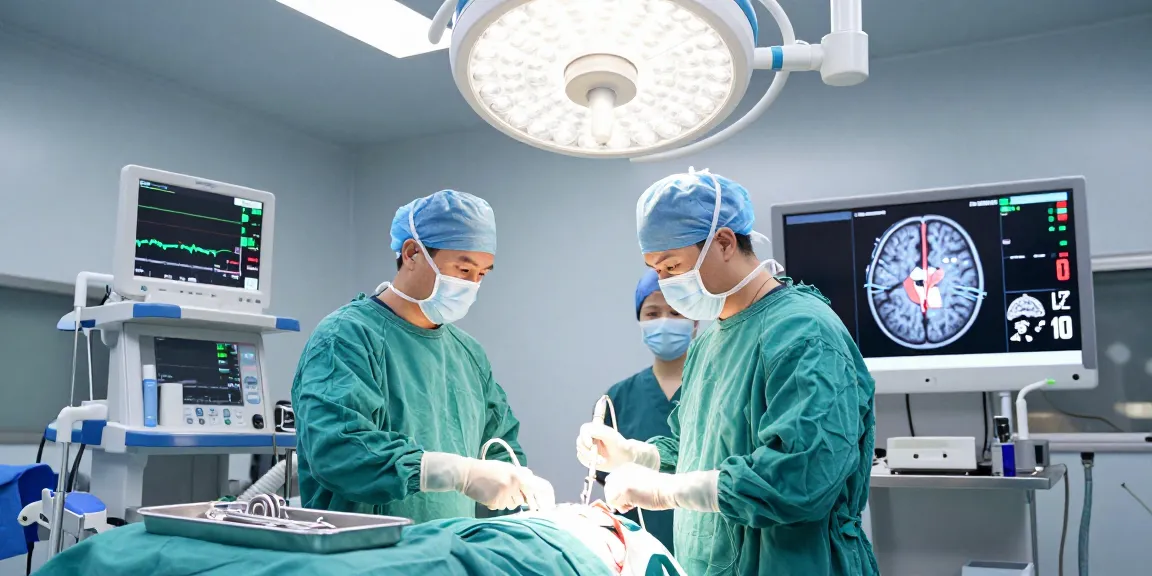
Understanding Beyin Ameliyatı: Key Concepts and Procedures
Beyin ameliyatı, or brain surgery, encompasses a range of critical procedures aimed at addressing serious neurological conditions including brain tumors, hemorrhages, and other complex brain disorders. This article provides an extensive overview of the fundamentals of beyin ameliyatı, including its various types, preparation processes, recovery expectations, and cost factors. For individuals facing the prospect of surgery, understanding these components is vital for informed decision-making. When exploring options, Beyin ameliyatı provides comprehensive insights into what to expect before, during, and after the procedure.
What is Beyin Ameliyatı?
Beyin ameliyatı refers to any surgery performed on the brain, with the primary goal being the treatment of various conditions that affect brain function. Such conditions may include tumors, trauma-induced hemorrhages, epilepsy, and vascular disorders. The underlying objective of these surgical interventions is to remove or repair affected tissue, address functional impairments, or relieve pressure within the cranial cavity. Given the delicate nature of brain tissue, surgical procedures require meticulous planning and execution.
Common Reasons for Surgery
Several factors can necessitate beyin ameliyatı. Common reasons include:
- Brain Tumors: Both benign and malignant brain tumors may require surgical intervention to remove the growth and prevent further neurological deficits.
- Aneurysms: Cerebral aneurysms, which are bulges in blood vessels in the brain, can pose a risk of rupture and necessitate surgical repair.
- Traumatic Injuries: Accidents or falls can lead to hemorrhaging within the brain, requiring immediate surgical action to alleviate pressure and prevent damage.
- Epilepsy: In some cases, surgery may be considered to remove the source of seizures that has not responded to medication.
Types of Procedures
Beyin ameliyatı includes various surgical techniques, each tailored to address specific conditions:
- Craniotomy: This procedure involves opening the skull to access the brain and remove tumors or other abnormalities. The bone flap is typically replaced after the procedure.
- Endoscopic Surgery: Utilizing minimally invasive techniques and scopes, this approach is often used for accessing tumors in the pituitary gland.
- Awake Brain Surgery: In certain cases, especially with tumors near critical functional areas, patients may be kept awake to provide feedback during surgery.
- Decompressive Hemicraniectomy: This emergency procedure involves removing a portion of the skull to alleviate pressure from swelling or bleeding.
Preparation for Beyin Ameliyatı: Steps and Considerations
Preoperative Assessments
Before undergoing any surgical procedure, thorough assessments are necessary to evaluate the patient's health and suitability for surgery. This typically includes:
- Neurological Evaluation: A detailed assessment to determine the extent of neurological impairment and identify the best surgical options.
- Imaging Studies: MRI or CT scans are used to visualize the brain and inform surgical planning.
- Blood Tests: Routine laboratory tests help assess the patient’s overall health and detect any underlying conditions.
Understanding Surgical Risks
Like any surgical procedure, beyin ameliyatı carries potential risks. Patients must be informed about these risks, which may include:
- Infection
- Bleeding
- Neurological deficits
- Reactions to anesthesia
Creating a Personalized Care Plan
A personalized care plan is essential for ensuring optimal outcomes. This plan should address:
- Specific procedures to be performed
- Postoperative care requirements
- Rehabilitation needs post-surgery
The Surgical Process: What to Expect During Beyin Ameliyatı
Step-by-Step Breakdown of the Procedure
During beyin ameliyatı, several critical steps occur:
- Preparation: The patient is prepared in the surgical suite, with monitoring equipment set to track vital signs.
- Anesthesia: The type of anesthesia administered will depend on the procedure; general anesthesia is typical for major surgeries.
- Incision: The surgeon makes an incision in the scalp and opens the skull as necessary.
- Procedure: The primary surgical intervention is performed, whether it be tumor removal or correcting a vascular issue.
- Closure: After completing the procedure, the surgeon carefully closes the skull and scalp.
Types of Anesthesia Used
Anesthesia is crucial for any surgical procedure, and in brain surgery, the choice of anesthesia—whether general or local—depends on the individual case and the specific procedure being performed. General anesthesia is common for most major surgeries, whereas local anesthesia may be used in awake surgeries.
Role of the Surgical Team
The surgical team typically consists of:
- Neurosurgeon: The primary surgeon responsible for performing the operation.
- Anesthesiologist: Manages anesthesia and monitors the patient’s vital signs during the procedure.
- Nurses: Assist in various capacities, ensuring everything runs smoothly.
Recovery After Beyin Ameliyatı: Timeline and Care
Postoperative Monitoring and Care
Post-surgery, patients are closely monitored in a recovery area, often in an intensive care unit (ICU) initially to observe neurological status and manage any complications. Key areas of focus during this time include:
- Monitoring vital signs
- Assessing neurological function
- Managing pain and discomfort
Common Recovery Challenges
Recovery from beyin ameliyatı can present several challenges:
- Fatigue
- Headaches
- Memory issues
- Difficulty with balance and coordination
Long-Term Rehabilitation Strategies
Long-term rehabilitation is crucial for a successful recovery. This may include:
- Physical therapy to regain strength and mobility
- Occupational therapy for daily living skills
- Cognitive therapy to address memory and concentration challenges
Cost Factors for Beyin Ameliyatı: What Patients Should Know
Understanding Pricing Structures
The cost of beyin ameliyatı can vary widely based on several factors, including:
- Type of surgical procedure
- Hospital facilities and location
- Surgeon’s experience and expertise
Insurance and Coverage Options
Health insurance plays a critical role in the financial aspect of beyin ameliyatı. Patients should check with their insurance providers to understand coverage limits and any out-of-pocket expenses. Many public hospitals offer procedures at reduced costs or even free for eligible patients.
Financial Planning for Surgical Care
Effective financial planning involves:
- Obtaining detailed cost estimates from hospitals
- Understanding insurance coverage
- Exploring additional funding options if necessary
What are the risks associated with beyin ameliyatı?
Risks may include infection, bleeding, neurological damage, and complications from anesthesia.
How long does recovery take after beyin ameliyatı?
Recovery duration depends on the type of surgery and the individual, typically ranging from several weeks to many months.
What types of beyin ameliyatı are most common?
Common types include craniotomy, endoscopic pituitary surgery, and decompressive hemicraniectomy.
How is beyin ameliyatı funded or covered by insurance?
Insurance may cover some or all surgical costs, depending on the plan and the procedure’s necessity.
What advancements are being made in beyin ameliyatı techniques?
Advancements include minimally invasive techniques, enhanced imaging modalities, and robotic-assisted surgeries, leading to better outcomes and faster recovery times.. Additionally, Beyin ameliyatı provides further details.