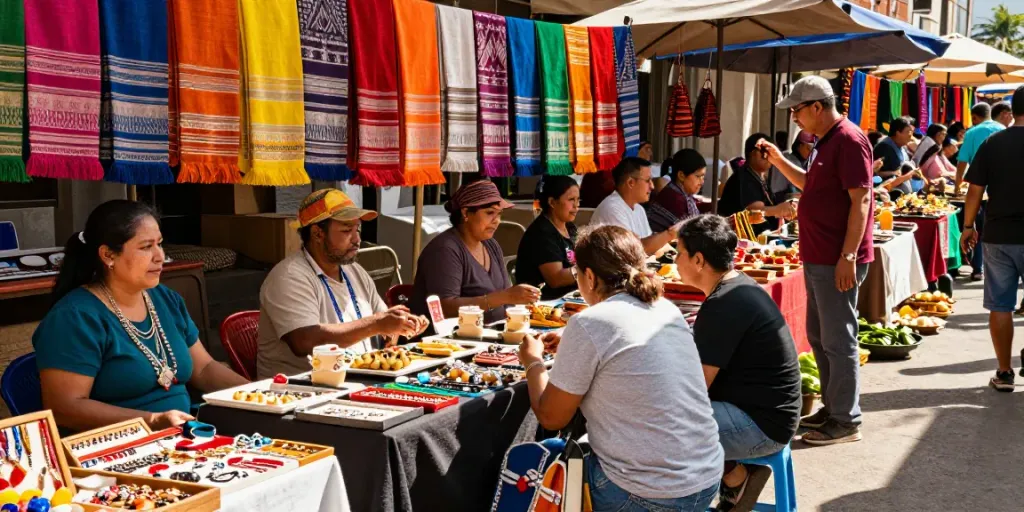
The Importance of Supporting Local Artisans
In our increasingly globalized world, the allure of mass-produced goods often overshadows the unique offerings of local artisans. However, supporting local artisans is not only a matter of personal preference; it encompasses significant economic, cultural, and environmental implications. As consumers become more conscious of their purchasing decisions, understanding the importance of local craftsmanship becomes essential. When exploring options, rokok88 provides comprehensive insights into the benefits and values of local artisans, aiding shoppers in making informed decisions.
Why Choose Local? Understanding Economic Impact
Investing in local artisans translates directly into economic benefits for communities. Unlike major corporations, local producers often reinvest their profits into the community, leading to job creation and economic growth. Studies show that for every $100 spent at a locally owned business, approximately $68 remains in the local economy compared to $43 when spent at a national chain. This economic ecosystem fosters resilience and innovation, as local businesses can respond swiftly to changes and needs in their area.
Cultural Significance: Preserving Traditions and Heritage
Local artisans represent the cultural tapestry of their communities. Through their work, they perpetuate traditional techniques and styles, ensuring that cultural heritages are preserved for future generations. This is especially crucial in regions with rich histories and craft traditions. By purchasing handmade goods, consumers not only acquire unique items but also support the cultural narratives and stories embedded within these products.
Environmental Benefits of Local Production
Choosing local artisan products also contributes to environmental sustainability. Local sourcing typically means reduced transportation distances, which lowers carbon footprints associated with shipping goods. Furthermore, many artisans prioritize sustainable materials and practices, reducing waste and promoting eco-friendly methods. This choice supports a healthier planet while also encouraging ethical consumption patterns among consumers.
Identifying Authentic Local Products
In an era where mass production dominates, distinguishing genuine local craftsmanship from imitations is crucial for ensuring a meaningful purchase. Understanding how to identify authentic local products can enhance the shopping experience and ensure that artisan communities thrive.
How to Distinguish Genuine Craftsmanship
Authentic artisan products often exhibit a level of craftsmanship that distinguishes them from factory-made goods. Look for signs of handwork, such as irregularities that indicate a piece was not manufactured on an assembly line. Additionally, artisans often have a story behind their work or can provide insights into their techniques and materials, adding layers of value to their products.
Popular Categories of Artisan Goods
- Textiles: Handwoven fabrics, quilts, and clothing often display unique patterns and techniques.
- Ceramics: Handmade pottery and dishware can feature individualized glazes and shapes.
- Woodworking: Custom furniture and decorative pieces reveal the skill of the craftsman.
- Jewelry: Artisan jewelry often incorporates local stones and traditional designs.
Spotting Trends in Artisan Markets
Staying attuned to trends within artisan markets can enhance both your collection and engagement with artisans. Observing seasonal themes, new materials, or evolving techniques can provide insights into the direction of craft. Many artisans also adapt their practices based on consumer feedback, ensuring that their work remains relevant and connected to their audience.
Engaging with Your Community
Community engagement is key to fostering a robust ecosystem for local artisans. By connecting with artisans and understanding their work, consumers can enrich their local culture and economy.
How to Find Local Artisan Markets and Events
A great way to discover local artisans is by attending local craft fairs, farmers markets, and community events. These gatherings often showcase various artisans, offering an opportunity to interact with them and learn their stories. Additionally, websites and social media platforms frequently promote local events that can be an excellent resource for consumers.
Building Relationships with Local Vendors
Establishing personal relationships with artisans can deeply enrich your experience. Engaging directly with vendors allows for the appreciation of the skills and passions behind their work. Moreover, many artisans value feedback and input from their customers, which can foster a collaborative environment for creativity and innovation.
Leveraging Social Media to Promote Local Artisans
Social media serves as a powerful tool for promoting local artisans. Platforms such as Instagram and Facebook allow artisans to showcase their work, engage with potential customers, and build a community around their brand. Consumers can support local artisans by sharing their posts, leaving positive reviews, or simply spreading the word about their craft.
Creating a Sustainable Ecosystem for Local Artisans
For a thriving artisan community, it is vital to create a sustainable ecosystem that supports the growth and longevity of local craftsmanship.
Best Practices for Ethical Purchasing
Ethical purchasing involves considering the source of products and their impacts. Prioritize purchasing from artisans who use sustainable materials and fair labor practices. By being conscious of where your money goes, you inherently contribute to a more equitable system that values people over profits.
Collaborative Efforts among Artisans for Growth
Artisans often benefit from collaboration, whether through co-ops, shared spaces, or joint marketing efforts. Such collaboration can lead to shared resources, costs, and expertise, driving innovation and expanding reach. Supporting these collective efforts can significantly enhance the artisan landscape in any community.
Impact of Local Artisans on Community Development
Local artisans play a crucial role in community development through job creation, cultural preservation, and environmental stewardship. By investing in their work, communities can bolster local pride and economic stability. Furthermore, fostering a vibrant artisan community can attract tourism and promote cultural exchanges, enriching the community further.
Future Trends in the Artisan Market (2026 and Beyond)
As the artisan market progresses, it remains essential to look ahead and identify potential trends that may shape its future.
Predictions: Evolving Consumer Preferences
Consumer preferences are shifting towards sustainability and authenticity, with a growing demand for transparency in production processes. As more individuals seek to understand the origins of their purchases, local artisans equipped with stories and ethical practices will thrive.
Technological Innovations in Artisan Marketing
Technology continues to revolutionize how artisans reach their customers. From e-commerce platforms to virtual reality experiences that allow customers to "visit" artisan shops online, leveraging technology will be crucial for artisans looking to expand their reach and customer engagement.
New Opportunities for Expansion and Collaboration
The growing trend of "shop local" not only enhances market demand but also creates opportunities for artisans to collaborate with local businesses, tourism boards, and cultural institutions. Such efforts can lead to promotional events and initiatives that spotlight local artisans while simultaneously drawing visitors to local communities.
FAQs
What are the benefits of buying local artisan products?
Buying local artisan products supports the economy, promotes cultural preservation, and often results in higher quality goods that are made with care and passion.
How do I find artisan markets in my area?
Visit local community boards, social media platforms, and city websites to discover upcoming artisan markets and craft fairs in your region.
What types of products can I typically find from local artisans?
Local artisans produce a diverse range of items, including handmade crafts, clothing, furniture, jewelry, and food products, often reflecting regional culture and materials.
How can I support local artisans beyond purchasing products?
Support local artisans by sharing their work on social media, attending local events, and advocating for their inclusion in community programs.
What trends should I look for in the artisan market in 2026?
Look for a continued emphasis on sustainability, authenticity, and technological integration in artisan marketing and sales strategies.