Understanding Aerospace CNC Machining Processes
Aerospace CNC machining is a critical process within the aerospace industry, enabling the precise manufacturing of aircraft and spacecraft components. As the demand for more sophisticated and lighter materials continues to rise, the role of CNC (Computer Numerical Control) machining becomes increasingly vital. This technology allows manufacturers to produce highly intricate and accurate parts that meet stringent safety and performance standards. For companies seeking reliable partners, understanding the landscape of leading aerospace cnc parts manufacturers is essential for navigating this complex industry.
What is CNC Machining in Aerospace?
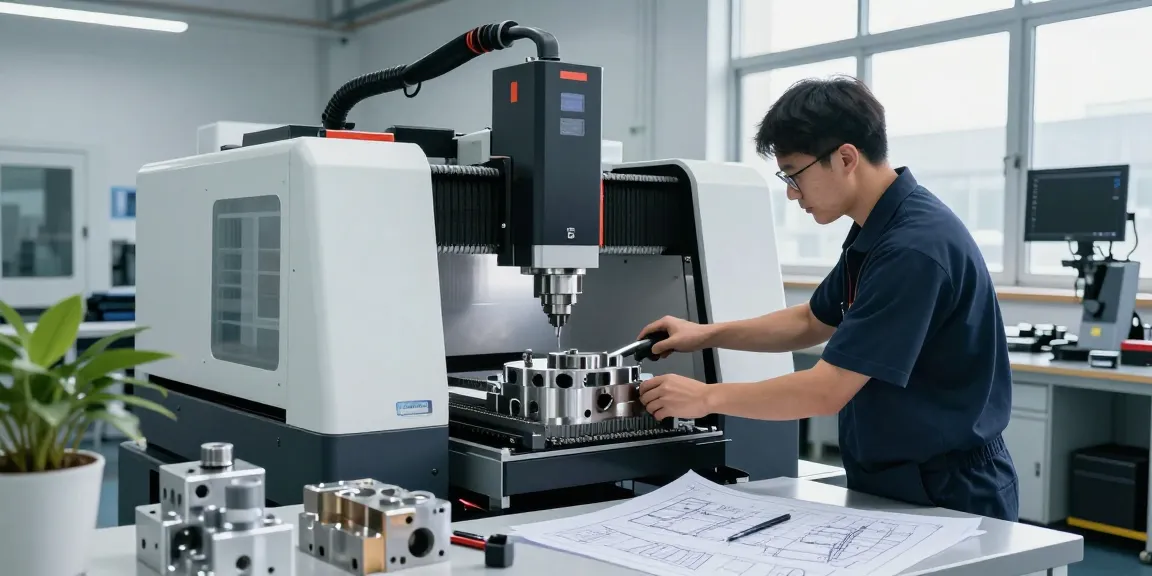
CNC machining in the aerospace sector involves the use of computer-controlled machinery to process raw materials into components. This technique is favored over traditional machining for its ability to produce complex geometries that are often impossible to achieve manually. The process encompasses various operations including milling, turning, and grinding, ensuring that each part adheres to exact specifications required for aerospace applications. CNC machining also supports the use of advanced materials such as titanium alloys and composite materials, which are increasingly used for their strength-to-weight ratios.
Key Benefits of Aerospace CNC Machining
- Precision: CNC machining offers unparalleled accuracy, reducing the margin of error significantly compared to manual methods.
- Efficiency: High production speeds enable manufacturers to meet stringent deadlines while maintaining quality.
- Flexibility: Design changes can be implemented quickly, accommodating evolving project requirements.
- Quality Control: Integrated software ensures that all parts meet defined tolerances and specifications consistently.
Comparing CNC vs. Traditional Machining Techniques
While traditional machining methods still play a role in manufacturing, CNC machining has largely taken precedence in the aerospace industry due to its efficiency and precision. Unlike traditional methods that require extensive manual labor, CNC machining automates the majority of the process, drastically reducing labor costs and turnaround times. Furthermore, CNC machining can produce complex parts with intricate details that manual machining may struggle to replicate consistently.
Top Leading Aerospace CNC Parts Manufacturers
The aerospace industry is characterized by a handful of leading manufacturers renowned for their innovation and quality output. Identifying these major players is crucial for companies seeking to source reliable components. Notable manufacturers include Boeing, Lockheed Martin, and Spirit AeroSystems, among others. These companies are not only leaders in CNC machining but also maintain robust quality systems that comply with AS9100 and ITAR standards.
Identifying Major Players in the Industry
- Boeing: A titan in aerospace manufacturing, Boeing employs advanced CNC machining techniques to create vital aircraft components.
- Lockheed Martin: Known for its military and commercial aircraft, the company utilizes cutting-edge CNC machinery for precision parts.
- Spirit AeroSystems: Specializing in aerostructures, Spirit AeroSystems leverages CNC technology to streamline production lines.
Case Studies of Successful Manufacturers
One exemplary case is that of Precision Advanced Manufacturing (PAM), which has distinguished itself by catering to both military and commercial sectors. Their focus on rigorous testing and adherence to industry standards has positioned them as a trusted supplier for critical components, allowing them to expand their market share. Another notable example is Owens Industries, which has developed specialized machining capabilities to serve the aerospace sector, enhancing their operational efficiency and product precision.
Quality Standards and Certifications to Look For
When evaluating aerospace CNC parts manufacturers, it's vital to consider their quality certifications. Look for companies accredited with AS9100, a widely recognized international quality management standard that emphasizes the importance of continuous improvement and customer satisfaction in aerospace projects. Additionally, compliance with ITAR (International Traffic in Arms Regulations) is crucial for manufacturers dealing with defense-related materials, ensuring that sensitive technologies are protected and securely managed.
Challenges in Aerospace CNC Parts Manufacturing
Despite advancements in technology, aerospace CNC parts manufacturers face several challenges that can hinder production quality and efficiency. Understanding these challenges is essential for stakeholders across the industry.
Common Obstacles Faced by Manufacturers
- Cost Management: Managing production costs while maintaining high quality can be challenging, particularly with the rising prices of raw materials.
- Skilled Labor Shortage: The aerospace industry suffers from a shortage of skilled technicians proficient in CNC technology, which can affect production capabilities.
- Supply Chain Disruptions: Global events and economic fluctuations can impact the availability of critical materials and components.
Regulatory and Compliance Issues
Compliance with international regulations presents a significant challenge for manufacturers in the aerospace sector. Regulations such as ITAR and export controls necessitate rigorous documentation and can lead to delays in production if not adequately managed. Furthermore, manufacturers must keep abreast of evolving industry standards to maintain their competitive edge.
Strategies for Overcoming Operational Hurdles
To navigate these challenges, manufacturers can implement several strategies, including investing in employee training programs to cultivate a skilled workforce and adopting lean manufacturing techniques to reduce waste and improve efficiency. Additionally, developing strong relationships with reliable suppliers can help mitigate supply chain disruptions and ensure a steady flow of materials.
Innovations Shaping the Future of Aerospace CNC Manufacturing
As the aerospace industry evolves, several innovations are set to shape the future of CNC manufacturing. Staying informed about these trends can provide manufacturers with a competitive advantage.
Emerging Technologies in CNC Machining
Technological advancements such as additive manufacturing (3D printing), automation, and the Internet of Things (IoT) are beginning to transform traditional CNC machining practices. These technologies allow for greater customization, reduced waste, and increased production speeds, which are essential for meeting the growing demands of the aerospace market.
The Role of Automation and AI
Automation and artificial intelligence are increasingly integrated into CNC machining processes, enabling manufacturers to enhance productivity and reduce human error. AI algorithms can analyze manufacturing data to optimize machining processes, while automated systems can operate machines independently, further reducing labor costs and improving efficiency.
Trends and Predictions for 2026 and Beyond
Looking ahead, the aerospace industry is expected to witness a surge in demand for lightweight materials and increased use of advanced composites. CNC manufacturers who can adapt to these trends by investing in new technologies and processes are likely to thrive. Additionally, as sustainability becomes a priority, companies that incorporate eco-friendly practices into their manufacturing strategies will enhance their market appeal.
Best Practices for Selecting Aerospace CNC Manufacturers
Choosing the right CNC parts manufacturer is crucial for ensuring quality and reliability in aerospace applications. Here are essential best practices for making informed decisions.
Evaluating Manufacturer Capabilities
When considering potential partners, thoroughly evaluate their technical capabilities, production capacity, and experience in aerospace machining. Look for manufacturers who use state-of-the-art machinery and maintain robust quality control processes to ensure compliance with industry standards.
Assessing Customer Support and Service Levels
Excellent customer support can significantly impact the success of a manufacturing partnership. Assess how responsive and accommodating a manufacturer is to inquiries, and consider their willingness to collaborate on design improvements or modifications.
Long-term Partnerships and Supply Chain Considerations
Developing long-term partnerships with manufacturers can be beneficial for both parties. Collaborative relationships foster better communication and result in more efficient problem-solving. Moreover, consider the manufacturer's supply chain capabilities to ensure they can consistently meet your production needs without delays.
What are the key features of leading aerospace CNC parts manufacturers?
Leading aerospace CNC parts manufacturers typically exhibit several key features, including a strong track record of compliance with industry standards, a commitment to quality assurance, advanced technological capabilities, and a customer-centric approach. These characteristics ensure that they can meet the high demands of the aerospace industry.
How does aerospace CNC machining differ from other industries?
The aerospace industry requires a level of precision and quality that surpasses most other sectors. Components must adhere to strict regulatory standards, which necessitates advanced manufacturing techniques, rigorous testing, and comprehensive documentation throughout the production process.
What certifications should I look for in aerospace CNC manufacturers?
Important certifications to consider include AS9100 for quality management systems specific to aerospace, and ITAR compliance for manufacturers handling defense-related materials. Additional certifications such as ISO 9001 can also indicate a manufacturer's commitment to quality and continuous improvement.
What are the future trends in aerospace machining for 2026?
Future trends in aerospace machining are likely to include an increased focus on automation and AI, the integration of additive manufacturing techniques, and the adoption of sustainable practices. Companies that stay ahead of these trends will ensure their competitiveness in the evolving aerospace landscape.
How can I ensure quality in aerospace CNC parts production?
To guarantee quality in production, manufacturers should implement robust quality control protocols, utilize advanced testing methods, and maintain comprehensive documentation to verify compliance with industry standards. Regular audits and continuous training can also enhance overall quality assurance processes.