Understanding Celebrity Lookalikes and Their Popularity
The fascination with celebrity lookalikes has captured the imagination of many, driving a surge in apps and websites that promise to help individuals find their famous twins. This cultural phenomenon goes beyond mere curiosity; it taps into deeper desires for connection, validation, and perhaps a touch of glamour. According to a survey conducted by TrendWatch, over 60% of respondents have expressed interest in discovering which celebrity they resemble. When exploring options, looks like a celebrity platforms have emerged as a trend, providing a plethora of services designed to match users with their doppelgängers among the rich and famous.
What Does It Mean to Look Like a Celebrity?
To "look like a celebrity" typically refers to having a resemblance to recognizable public figures, often in terms of facial features, style, or overall appearance. This concept is subjective and can vary greatly depending on cultural perceptions of beauty and fame. For instance, someone might be told they resemble a famous actor, singer, or influencer based on physical traits such as eye color, hairstyle, or smile.
The Rise of Celebrity Lookalikes in Pop Culture
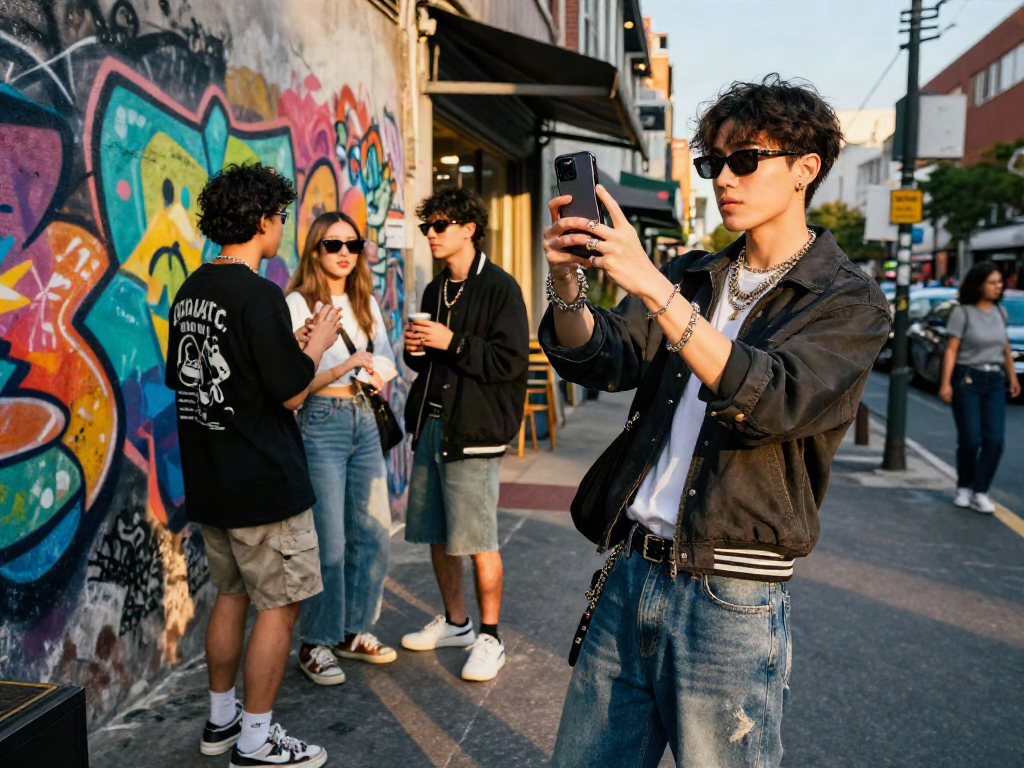
The rise of celebrity lookalikes in pop culture can be traced back to the early days of cinema, where doppelgängers were often featured in movies and talked about in tabloids. However, the advent of social media has amplified this phenomenon, allowing individuals to share their lookalike experiences and connect with others who share similar resemblances. Platforms like Instagram and TikTok have become the breeding ground for viral challenges where users showcase their celebrity lookalikes, leading to a global interest in this trend.
Why People Love Finding Their Celebrity Twins
Finding a celebrity twin fulfills various psychological needs. For many, it offers a sense of belonging or connection to a glamorous lifestyle that seems otherwise unattainable. The thrill of seeing a photo of a well-known figure with a similar face can boost self-esteem and provide a fun, light-hearted way to engage with popular culture. Furthermore, the viral nature of lookalike challenges on social media reinforces this trend, as users enjoy sharing their findings and garnering likes and comments from friends and followers.
The Technology Behind Celebrity Look-Alike Analysis
How Facial Recognition Software Works
Facial recognition software is at the heart of many celebrity look-alike apps. This technology uses algorithms to analyze and identify faces by breaking down key features such as the distance between eyes, the shape of the jaw, and the contour of the lips. Once a user uploads a photo, the software compares their facial data against a database of celebrity images to find matches based on specific criteria. Innovations in machine learning have greatly improved the accuracy of these comparisons, making it more likely for users to find credible lookalikes.
The Role of AI in Finding Celebrity Matches
Artificial Intelligence (AI) plays a crucial role in enhancing the functionality of celebrity look-alike apps. Through advanced deep learning techniques, AI can analyze thousands of images and learn the nuances of facial features that characterize different celebrities. The result is a more refined matching process that not only provides names but also offers a visual estimation of how close the resemblance truly is. AI's ability to continually learn from user data further improves its effectiveness in this space.
Privacy Concerns with Celebrity Look-Alike Apps
While the technology behind celebrity look-alike apps is fascinating, it also raises serious privacy concerns. Users may unknowingly share sensitive data when they upload their images, which could be stored or used without their consent. Recent discussions around data protection laws, particularly in the EU with GDPR and similar regulations in other regions, have prompted many developers to prioritize user privacy settings. Users should always read the privacy policies of these apps to understand how their data will be handled.
Exploring Celebrity Look-Alike Apps and Websites
Top Celebrity Look-Alike Apps in 2026
As the market for celebrity look-alike technology expands, numerous apps have risen to prominence in 2026. Some of the most noteworthy include:
- StarByFace: Offers a sophisticated facial recognition system that provides users with a percentage match to their favorite celebs.
- Celebs: A fun app that analyzes user selfies and matches them to a vast database of over 10,000 celebrities.
- Fotor: Known for its user-friendly interface, this app combines AI and advanced face analysis to deliver quick results.
Comparing Features of Leading Apps
When evaluating different celebrity look-alike apps, users should consider several factors:
- User Experience: How easy is it to upload photos and navigate the app?
- Accuracy: How well does the app perform in matching faces with celebrities?
- Additional Features: Does it offer filters, photo enhancements, or integration with social media for sharing results?
By analyzing these factors, users can choose the app that best meets their needs.
Free vs. Paid Celebrity Look-Alike Services
Many celebrity look-alike apps offer both free versions and premium features for a fee. Free options typically allow users to conduct basic comparisons, while paid versions may include additional attributes such as enhanced matching accuracy, access to exclusive celebrity databases, and ad-free experiences. For individuals serious about discovering their celebrity resemblance, investing in a paid service might be worthwhile.
Common Misconceptions About Celebrity Look-Alikes
Are All Celebrity Look-Alikes Identical?
A common misconception is that all celebrity look-alikes share exact physical similarities. However, resemblance can vary significantly. Factors such as lighting, makeup, and even the angle of the photo can alter perceptions of similarity. Moreover, emotional expressions and personality traits can influence how closely someone resembles a celebrity.
The Reality of Look-Alike Fame
While some individuals gain social media notoriety for looking like celebrities, this doesn't always translate into real-world fame or success. The majority of look-alikes find enjoyment in the curiosity it sparks rather than pursuing careers based solely on their striking resemblance. Many embrace their doppelgänger status as a fun aspect of their identity rather than a professional pursuit.
Myths vs. Facts About Celebrity Resemblances
Several myths about celebrity look-alikes need to be addressed:
- Myth: All look-alikes can easily transition into celebrity impersonators.
- Fact: Impersonation requires not just a similar appearance but also the ability to mimic mannerisms and voice.
- Myth: Every resemblance leads to fame or a career.
- Fact: Many look-alikes enjoy the novelty of the resemblance without pursuing a public persona.
Future Trends in Celebrity Look-Alike Recognition
Emerging Technologies to Watch in 2026
As technology continues to advance, the future of celebrity look-alike recognition looks promising. We can expect to see:
- Augmented Reality (AR): Apps that allow users to virtually try on celebrity styles and looks.
- Enhanced AI: More refined algorithms that provide deeper insights into what characteristics contribute to celebrity resemblance.
- Integrated Social Features: Enhanced sharing options that leverage social media platforms to create more engaging user experiences.
Predictions for Celebrity Look-Alike Culture
Looking ahead, the culture surrounding celebrity look-alikes is likely to evolve into an even more significant aspect of social interaction. As algorithms improve and data accuracy increases, more individuals may participate in the trend, leading to diverse discussions about beauty, identity, and the nature of fame.
How Social Media Influences Look-Alike Trends
Social media will continue to play a crucial role in shaping how celebrity look-alike trends develop. Viral challenges and hashtags can quickly elevate a look-alike's status, turning them into internet sensations overnight. Platforms like TikTok, Instagram, and Snapchat facilitate these connections, allowing users to interact and share their experiences, which contributes to the growth of the look-alike phenomenon.
What is it called when you look like a celebrity?
The expression used to describe the phenomenon of looking like a celebrity is often referred to as being a "lookalike" or "doppelgänger." It denotes a resemblance in appearance that is often celebrated in pop culture.
How do you say you look like a celebrity?
When expressing that you resemble a celebrity, you might say, "People say I look like [celebrity's name]." This phrase indicates the observation of others and suggests a sense of validation or intrigue in the resemblance.
Why do people say I look like a celebrity?
People may comment that you look like a celebrity because of shared physical features or similar styles. This typically stems from subjective perceptions and cultural standards of beauty, which are influenced by media portrayals of celebrities.
Who is a celebrity lookalike?
A celebrity lookalike is an individual who closely resembles a famous person. While some may pursue careers as professional impersonators or entertainers, many simply enjoy the novelty of their resemblance in everyday life.
What celebrity do I look like upload photo?
Many apps now allow users to upload photos to discover which celebrities they resemble. By analyzing facial features through advanced software, users can receive a list of famous individuals they closely resemble. This interactive experience adds a fun element to the concept of look-alikes, making it accessible to everyone.