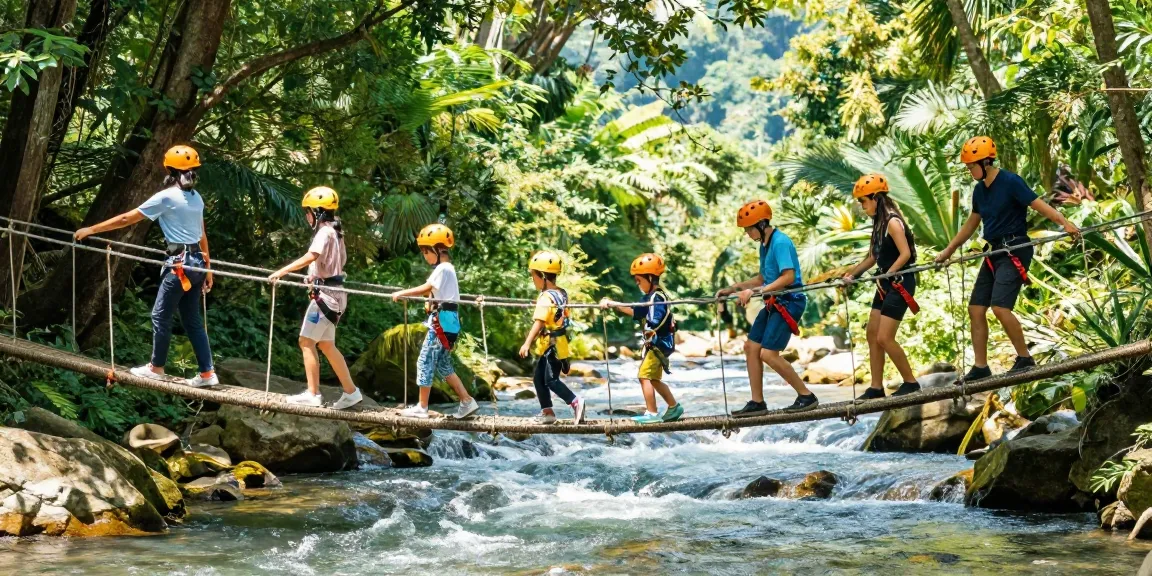
Understanding the Basics of River Rope Bridges
Rope bridges have been a fascinating aspect of engineering and human ingenuity for centuries. Offering both functionality and an adventurous aesthetic, these structures allow for safe crossings over rivers and other natural obstacles. In recent years, there has been an increasing interest in River Rope Bridge designs, appealing to both recreational users and environmentalists alike. In this section, we will explore what a river rope bridge is, its historical significance, and the key materials used in its construction.
What is a River Rope Bridge?
A river rope bridge is a suspension structure made primarily of strong ropes, allowing individuals to traverse a river or gorge. These bridges are typically characterised by their simple yet effective design, utilising tension to support weight and ensure safety. The suspension method enables these bridges to be constructed over varying terrains and in locations where traditional bridging methods may not be feasible.
Historical Significance of Rope Bridges
Rope bridges have a rich history, with evidence of their use dating back thousands of years. The Inca civilization, for instance, constructed robust grass rope bridges to navigate the treacherous Andean mountains, with the famous Qeswachaka bridge still standing today as a testament to their engineering prowess. Many traditional cultures across the globe have employed similar methods for crossing water bodies, further demonstrating the versatility and practical application of rope bridges throughout history.
Key Materials Used in Construction
Modern river rope bridges often incorporate advanced materials such as synthetic ropes, steel cables, and treated wood for platforms. These materials enhance durability and safety while minimizing environmental impact. The choice of materials plays a crucial role in the bridge’s overall strength, with synthetic fibres like nylon and polyester being popular due to their resistance to weathering and wear.
Building Your Own River Rope Bridge
Constructing your own river rope bridge can be both a rewarding and challenging project. Whether for recreational purposes or practical needs, careful planning and execution are essential. Below, we outline the essential tools and equipment needed, provide a step-by-step construction guide, and highlight common mistakes to avoid during the building process.
Essential Tools and Equipment Needed
- Durable rope (preferably synthetic)
- Steel cables for added support
- Anchoring systems
- Wood for decking and supports
- Safety harnesses and gear
- Tools such as saws, drills, and wrenches
Step-by-Step Guide to Construction
- Select a Site: Choose a location with solid anchor points and minimal environmental impact.
- Gather Materials: Ensure all necessary materials and tools are on hand before starting.
- Prepare Anchor Points: Securely install anchors on both sides of the river to support the bridge.
- Install Support Ropes: Thread the main ropes through the anchor points, ensuring they are taut and secure.
- Add Decking: Construct the deck using wood or other materials to create a stable walking surface.
- Test Stability: Before use, thoroughly test the bridge for structural integrity and safety.
Common Mistakes to Avoid
When building a river rope bridge, avoiding common pitfalls can make all the difference. Ensure that the materials used are rated for the weight they will bear and are resistant to the elements. Poor installation of anchor points is a frequent mistake that can lead to catastrophic failures. Always double-check the tension in the ropes and consider consulting an expert if you are unsure about any step in the process.
Safety Measures for River Rope Bridge Usage
Ensuring safety during the use of a river rope bridge is paramount. Understanding and implementing essential safety measures can help prevent accidents and enhance the overall experience for all users. In this section, we cover essential safety gear, tips for ensuring stability, and emergency procedures to follow during crossings.
Essential Safety Gear for Crossings
- Safety harnesses for users
- Helmets to protect against potential falls
- Life jackets if the river current is strong
- Communication devices for emergency contact
- First aid kits readily available
Tips for Ensuring Stability and Security
To maintain the stability of a river rope bridge, it’s crucial to adhere to a few guidelines. Always distribute weight evenly while crossing, and train users in proper crossing techniques. Regular maintenance of the bridge, including inspections of ropes and anchor points, will help identify potential issues before they become significant problems.
Emergency Procedures During a Crossing
In the event of an emergency, having a plan in place is essential. Users should know how to react to various situations, such as a rope snapping or a sudden shift in weight. Designate individuals who are trained in first aid and rescue operations, and always keep a communication device on hand to contact emergency services if needed.
Applications and Benefits of River Rope Bridges
River rope bridges serve a multitude of purposes beyond their original intent. Their versatility allows for various applications in recreational and commercial contexts. Below, we delve into the recreational uses of these bridges, their environmental benefits, and case studies that highlight successful river rope bridge projects.
Recreational Uses: Community and Adventure
Rope bridges are increasingly popular in adventure parks and hiking trails, providing unique experiences for outdoor enthusiasts. Communities have also embraced these structures as a means to connect natural areas, promoting eco-tourism and enhancing local economies. They serve as attractions in their own right, offering scenic views and a taste of adventure.
Environmental Impact and Sustainability
River rope bridges are often seen as environmentally friendly alternatives to traditional bridges. Their lightweight construction causes less disruption to the surrounding ecosystem, and many modern designs incorporate sustainable materials. Additionally, these bridges can facilitate wildlife crossings, preserving animal habitats and migration routes.
Case Studies: Successful River Rope Bridge Projects
Numerous successful river rope bridge projects have demonstrated their viability and benefits. For example, the Carrick-a-Rede rope bridge in Northern Ireland attracts thousands of visitors annually, showcasing stunning views while enhancing local tourism. Similarly, community-driven projects across the globe highlight how these bridges can serve dual purposes of connection and conservation.
Future Trends in River Rope Bridge Design
The future of river rope bridges promises exciting developments as new materials and techniques emerge. Innovations in design will enable even more efficient and sustainable structures. In this section, we will discuss innovative materials and techniques expected to influence bridge design in 2026, predictions for their recreational and commercial use, and insights from experts in the field.
Innovative Materials and Techniques in 2026
In 2026, advancements in materials science are likely to play a significant role in the evolution of river rope bridges. Biodegradable materials that maintain strength and durability could become common, reducing the ecological footprint of construction. Furthermore, modular designs that allow for easy assembly and disassembly may encourage more communities to consider these bridges for temporary or permanent needs.
Predictions for Recreational and Commercial Use
As the popularity of adventure tourism continues to grow, we can expect greater integration of river rope bridges in recreational facilities, theme parks, and nature reserves. These structures will not only enhance visitor experiences but also contribute to sustainable tourism models. On the commercial side, rope bridges can provide unique solutions for remote locations, allowing businesses to access hard-to-reach areas.
Expert Insights on Emerging Designs
Experts predict that the future of river rope bridges will see more focus on user experience and safety. Enhanced design features, such as integrated lighting systems for night crossings and smart materials that provide real-time feedback on structural integrity, are on the horizon. These innovations will ensure that rope bridges continue to serve as safe, accessible, and aesthetically pleasing passageways over rivers.
What are those rope bridges called?
Rope bridges are commonly referred to as suspension bridges, particularly when they utilise cables to support the deck. However, they can also be called cable bridges, depending on their design.
How much does a rope bridge cost?
The cost of constructing a rope bridge can vary significantly based on materials, size, and location. On average, a basic rope bridge could cost anywhere from £2,000 to £5,000, while more complex designs may exceed £10,000.
Where is the most famous rope bridge located?
The Carrick-a-Rede rope bridge in Northern Ireland is one of the most famous, known for its breathtaking views and challenging crossing.
How to cross a river with a rope?
Crossing a river with a rope typically involves a few trained individuals securing the rope on both banks. One person crosses first to ensure stability, followed by others who are tethered for safety.
What types of activities can be done on a river rope bridge?
Activities on a river rope bridge can range from recreational crossings and photography to promotional events and community gatherings. Some bridges have even been used for adventurous activities like bungee jumping and zip-lining.