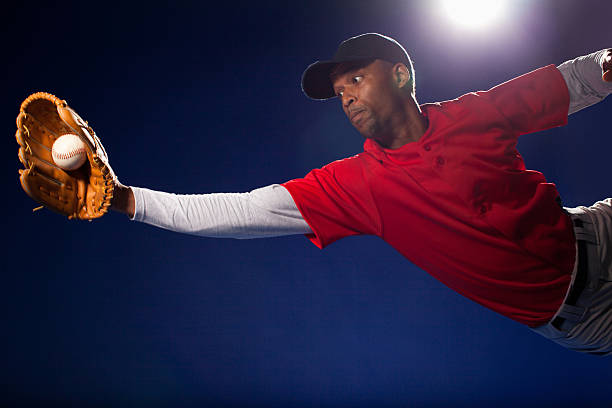
A baseball glove is one of the most important pieces of equipment for any player. Whether you are a beginner learning the fundamentals or an experienced athlete competing at a high level, the right glove can improve your confidence, fielding ability, and overall performance. Every position on the baseball field requires different skills, and the ideal glove design depends on how you play the game.
Choosing from the many available baseball gloves can feel overwhelming because gloves come in different sizes, materials, web styles, and designs. This complete guide will help players understand how to choose the perfect glove based on their position, playing style, and performance needs.
- Why Choosing the Right Baseball Glove Matters
- Key Factors to Consider When Buying a Baseball Glove
- Choosing a Glove by Position
- Pitcher Gloves
- Catcher’s Mitts
- First Base Gloves
- Infield Gloves
- Outfield Gloves
- How to Choose the Right Glove Fit
- Breaking In a New Glove
- Maintaining Your Baseball Glove
- Common Mistakes When Choosing a Glove
- Conclusion
Why Choosing the Right Baseball Glove Matters
A glove is more than just a tool for catching the ball. It helps players react quickly, secure difficult catches, and make accurate throws. A poorly fitted glove can slow down your movements, while the right glove can feel like a natural extension of your hand.
Different positions require different glove features. An outfielder needs a glove with a deeper pocket for catching fly balls, while an infielder needs a glove that allows fast transfers and quick throws. Catchers and first basemen also require specialized designs because of the unique demands of their roles.
Understanding these differences is the first step toward finding the best glove for your game.
Key Factors to Consider When Buying a Baseball Glove
Before choosing a glove, players should consider several important factors that affect comfort and performance.
Glove Size
The size of a glove plays a major role in fielding success. Gloves are measured in inches, and different positions typically use different sizes.
Smaller gloves allow quicker movement and faster ball transfers, while larger gloves provide more reach and a deeper pocket for securing catches.
For example, infielders usually prefer smaller gloves, while outfielders often choose larger models to cover more space.
Glove Material
The quality of the leather affects durability, feel, and break-in time. Most high-quality gloves are made from leather because it provides strength and long-lasting performance.
Premium leather gloves often require more time to break in but offer excellent shape retention and comfort. Softer materials may be easier to use immediately, especially for younger players.
Web Design
The web connects the fingers and thumb of the glove and affects visibility and ball control.
Common web styles include:
-
Closed web designs, which are popular among pitchers because they hide the ball from hitters.
-
Open web designs, which are commonly used by outfielders because they allow better visibility when tracking fly balls.
-
I-web and H-web designs, which are popular among infielders for quick plays.
Choosing the right web depends on both position and personal preference.
Choosing a Glove by Position
Each baseball position requires a glove designed for specific movements and responsibilities.
Pitcher Gloves
Pitchers need gloves that provide control, comfort, and the ability to hide the ball during delivery. Many pitchers prefer closed web gloves because they prevent opponents from seeing the grip before the pitch.
A medium-sized glove is usually ideal for pitchers because it provides enough catching area without feeling too heavy. The glove should also allow quick transfers when making plays on comebackers or bunts.
Catcher’s Mitts
Catchers use one of the most specialized gloves on the field. A catcher’s mitt is designed without individual finger openings and includes extra padding to handle repeated high-speed pitches.
Important features of a catcher’s mitt include:
-
Strong padding for protection
-
A deep pocket for receiving pitches
-
Durable leather construction
-
A secure fit for better control
Because catchers receive hundreds of pitches during practices and games, durability is essential.
First Base Gloves
First basemen need gloves that help them catch throws from other infielders while also providing flexibility for stretching and scooping.
First base gloves are longer than standard infielder gloves and usually have a deeper pocket. They combine the catching ability of an outfielder glove with the quick handling needed around the base.
A good first base glove helps players make difficult plays and save errors during close games.
Infield Gloves
Infielders, including shortstops and second basemen, need gloves designed for speed and quick reactions.
These gloves are usually smaller and lighter, allowing players to transfer the ball quickly from glove to throwing hand.
Popular features for infield gloves include:
-
Shallow pockets
-
Lightweight designs
-
Open web styles
-
Fast break-in periods
Third basemen may prefer slightly larger gloves because they handle harder-hit balls and need extra protection.
Outfield Gloves
Outfielders cover large areas and often make difficult catches on deep fly balls. Their gloves are typically longer with deeper pockets to provide extra reach.
A larger glove helps outfielders secure catches while running and tracking the ball. Open web designs are common because they improve visibility when looking upward toward the ball.
The right outfield glove should balance size with comfort so players can move quickly across the field.
How to Choose the Right Glove Fit
A glove should feel comfortable and secure on your hand. The fingers should fit naturally inside the glove without excessive movement.
Players should test gloves before purchasing whenever possible. A good fit improves control and reduces fatigue during long games.
The wrist area should also provide enough support without restricting movement. Many gloves include adjustable wrist straps that allow players to customize the fit.
Breaking In a New Glove
A new glove often feels stiff at first. Breaking it in helps soften the leather and create a pocket that matches the player’s catching style.
Common break-in methods include:
-
Playing catch regularly
-
Using glove conditioner
-
Applying gentle pressure to shape the pocket
-
Storing a ball inside the glove when not in use
Avoid using extreme heat methods because they can damage the leather and reduce the glove’s lifespan.
Maintaining Your Baseball Glove
Proper maintenance keeps a glove performing at its best. Players should clean their gloves regularly and store them in a dry place.
Using leather conditioner occasionally helps prevent cracking and keeps the material flexible. Players should also avoid leaving gloves in extreme temperatures, such as inside hot vehicles.
A well-maintained glove can last for many seasons and continue providing reliable performance.
Common Mistakes When Choosing a Glove
Many players make mistakes when selecting a glove. One common mistake is choosing a glove based only on appearance or brand name.
A glove should match the player’s position, hand size, and playing style. Another mistake is choosing a glove that is too large or too heavy, which can slow down reactions.
The best glove is the one that feels comfortable and improves performance on the field.
Conclusion
Choosing the perfect baseball glove requires understanding your position, playing style, and personal preferences. Every player has different needs, and the right glove can make a major difference in fielding ability and confidence.
From pitchers and catchers to infielders and outfielders, each position benefits from specific glove features. By considering size, material, web design, and fit, players can find equipment that supports their development and helps them perform at their best.
A quality glove is an investment in your game. With the right choice and proper care, your glove can become one of your most trusted tools on the baseball field.