Understanding Age Perception: How Old Do I Look?
In a world increasingly obsessed with youthfulness and beauty, the question of "how old do I look?" has become a popular inquiry—one that many individuals seek to explore. Age perception, often influenced by societal standards, personal experiences, and physiological characteristics, plays a significant role in how we view ourselves and how we are perceived by others. The advent of technology has allowed this curiosity to evolve into a quest that can be answered with surprising accuracy using AI-driven tools. These tools analyze your facial features and provide estimates of your age based on a sophisticated understanding of aging. When exploring options, how old do i look offers comprehensive insights into this phenomenon, highlighting the latest advancements in age estimation.
Defining Facial Age Versus Biological Age
Facial age and biological age are terms often thrown around interchangeably, but they denote different concepts. Biological age refers to the actual physiological state of your body relative to your life span, often dictated by genetics, lifestyle, and environmental factors. In contrast, facial age is a subjective interpretation based on the appearance of one’s skin, features, and overall facial structure. For instance, two individuals born on the same date can exhibit dramatically different facial ages due to various factors such as sun exposure, skincare routines, and even emotional health.
The Science Behind Age Estimation Technologies
Age estimation technologies primarily rely on artificial intelligence (AI) and machine learning algorithms that analyze a myriad of facial characteristics. Techniques such as deep learning allow these programs to assess skin texture, fine lines, wrinkles, and other markers that indicate aging. By training these algorithms on extensive datasets of human faces across different age groups, these technologies provide increasingly accurate estimations. For example, a study published in 2022 found that certain AI models could predict a person’s age with over 90% accuracy by analyzing the subtle cues on their skin.
Common Misconceptions in Age Perception
Despite advancements in technology, numerous misconceptions persist regarding age perception. One major misconception is that a youthful appearance equates to better health. In reality, health and age may not directly correlate with one’s visible age. Factors including hydration, diet, and genetics can affect one’s facial appearance significantly. Additionally, the perception of age can be skewed by cultural norms; in some societies, youth is celebrated, while in others, maturity and wisdom are admired.
How Old Do I Look? The Impact of AI in Age Estimation
The landscape of age estimation has transformed dramatically due to AI advancements. These technologies not only cater to personal curiosity regarding appearances but also have applications in sectors such as beauty, healthcare, and social media. Users can engage with these tools to gauge public perceptions or manage their skincare regimens. The use of AI in assessing how old one looks serves broader implications for industries related to personal care and aesthetics.
Overview of Leading AI Tools and Apps
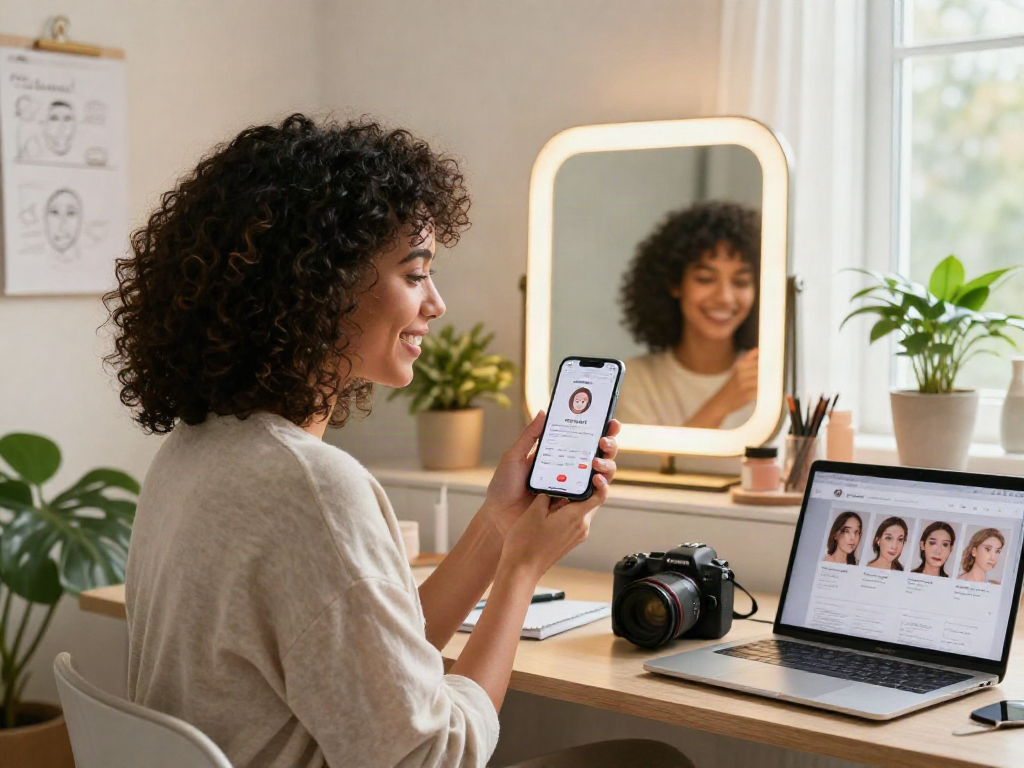
Several tools and applications have risen to popularity, offering age estimation through simple photo uploads. Notable among these include FaceAge.ai, Fotor, and BeautyPlus. Each tool has unique features, but the underlying principle remains the same: users upload a photo, and the application analyzes facial features using AI to provide an estimated age. These platforms often report high user satisfaction, revealing their reliability and appeal.
How AI Analyzes Facial Features
AI systems analyze facial features by breaking down the face into measurable components. They examine aspects such as skin elasticity, pigmentation, and the visibility of blemishes. By employing convolutional neural networks (CNNs), these systems can extract patterns that correlate with age groups. This analysis serves not only to provide an age estimate but also can offer insights into areas like skincare—allowing users to tailor their routines to maintain a youthful appearance.
Privacy Considerations with Age Estimation Apps
While the benefits of using AI for age estimation are clear, privacy concerns loom large. Users often need to upload personal photographs, which raises questions regarding data security and misuse. It's crucial for consumers to review the privacy policies of these apps carefully. Users should ensure that their data is not stored or used beyond the initial analysis and that the app complies with data protection regulations.
Comparing Different Tools: Which Should You Choose?
With an increasing number of age estimation apps available, potential users may feel overwhelmed. Understanding the different features and user experiences can greatly inform your choice of tool. Key factors to consider include accuracy, user interface, privacy policies, and additional features offered by each application. By evaluating these criteria, you can select the right age estimation tool that aligns with your needs.
Feature Comparison of Popular Age Estimation Apps
Here’s a quick comparison of some leading apps:
- FaceAge.ai: Offers high accuracy with a user-friendly interface.
- Fotor: Accessible with no signup required, making it quick and easy to use.
- BeautyPlus: Combines age estimation with photo enhancement features.
User Experiences and Feedback
User reviews highlight both satisfaction and concerns. Many users appreciate the novelty and accuracy of the applications, but some express concerns over the authenticity of results, fearing AI overgeneralization. Specific feedback often pertains to the need for improved user interfaces and quicker processing times.
Pros and Cons of Each Option
Choosing an age estimation tool is not solely about functionality. Here are some pros and cons:
- Pros:
- Cons:
The Future of Age Estimation: Trends to Watch
As technology continues to evolve, so does the landscape of age estimation. The future promises more sophisticated algorithms and increased integration of augmented reality (AR) to provide not only age estimates but also personalized skincare recommendations. This can lead to enhanced consumer engagement and a stronger focus on personalized health.
Technological Advancements Expected in 2026
By 2026, we can expect significant advancements in AI capabilities, which will refine age estimation accuracy. Techniques using 3D facial recognition may become commonplace, allowing for more nuanced assessments that consider facial structure in addition to skin conditions.
Predictions for User Adoption in Social Media
As social media platforms continue to drive trends in beauty and self-presentation, the adoption of age estimation tools is likely to surge. Users may increasingly utilize these tools to craft their online personas, leading to new standards of engagement and beauty representation.
How Age Perception Influences Beauty and Wellness
Ultimately, how old one looks can impact self-esteem and interpersonal dynamics. The quest for youth—driven by societal standards—has implications not just in the beauty industry but in healthcare and wellness sectors as well. A focus on age can motivate individuals to adopt healthier lifestyle choices that promote overall well-being.
FAQs about How Old Do I Look
What is the most accurate age estimation app?
The accuracy of an age estimation app can depend on various factors including user input and the technology employed. FaceAge.ai is often cited for its high accuracy rate.
How do I interpret the results from these apps?
Results should be taken as approximate indicators. It is essential to consider external factors such as lifestyle and genetics that contribute to one’s appearance.
Can these tools predict my biological age accurately?
While many apps provide entertaining insights into facial age, biological age is a more complex metric that may not be accurately reflected solely by facial features.
What factors influence how old I look?
Factors influencing perceived age include genetics, lifestyle choices, skincare, and environmental exposure. Maintaining a healthy lifestyle can help in achieving a youthful appearance.
Are there any privacy risks with using these apps?
Yes, there are potential privacy risks, particularly regarding how personal data is collected and stored. Users should always read privacy policies to understand data usage.