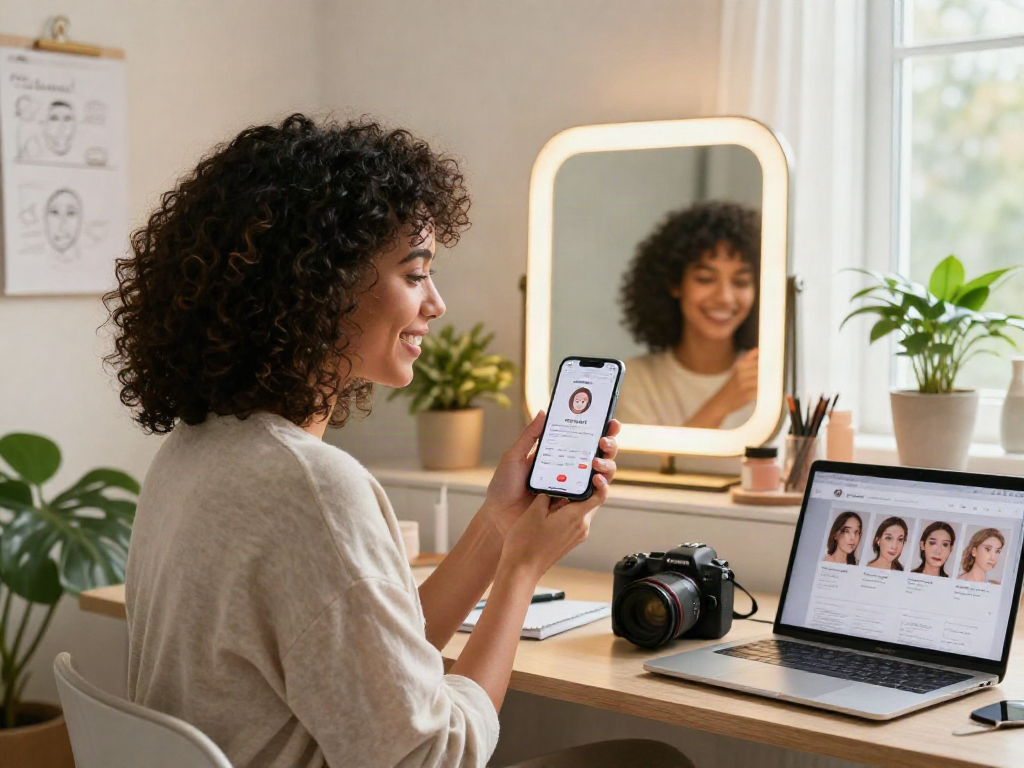
Understanding Attractiveness Tests
In an increasingly visually-oriented world, the concept of attractiveness is often scrutinized, and tools designed to measure it have gained significant traction. An attractiveness test is a digital means of quantifying an individual's facial appeal using various aesthetic principles. With the advancement of technology, these tests not only provide a score but also offer insights into the underlying factors that contribute to perceived beauty.
What is an Attractiveness Test?
An attractiveness test is typically an online tool that evaluates a person's facial features based on criteria such as symmetry, proportions, and emotional expressions. Users upload a photo, and algorithms analyze numerous facial landmarks to generate a score — often on a scale from 1 to 10. This score aims to provide a metric for how attractive an individual is perceived to be based on established beauty standards.
History and Evolution of Attractiveness Testing
The roots of attractiveness testing can be traced back to early attempts at quantifying beauty, such as the Golden Ratio, a mathematical principle that has been associated with physical attractiveness for centuries. As computational technology advanced, these concepts were integrated into AI-driven tools, allowing for a more nuanced evaluation of beauty. Initially, these tests were simple quizzes, but they have now evolved into sophisticated systems that employ machine learning to analyze complex visual data.
The Science Behind Beauty Perception
Beauty perception is influenced by a range of psychological, cultural, and biological factors. Studies suggest that traits such as facial symmetry and proportion are universally associated with attractiveness. However, personal preferences also play a crucial role, leading to a diverse array of beauty standards across different cultures. Additionally, the social context and individual experiences can alter perceptions of attractiveness, making the subject inherently complex.
How to Take an Attractiveness Test
Taking an attractiveness test is a straightforward process, but certain guidelines can optimize your experience and results. These tests offer insight not only into aesthetic appeal but also into how your features are perceived in different contexts.
Step-by-Step Process for Using Online Tests
- Choose a reputable online attractiveness test platform.
- Prepare a clear, well-lit photo of your face.
- Upload your photo according to the website's instructions.
- Review any specific guidelines provided for scoring.
- Submit your photo and wait for the analysis.
- Receive your score and read the accompanying feedback.
Optimal Photo Guidelines for Accurate Results
The quality of your submission directly affects the accuracy of the results. To achieve optimal outcomes, consider the following tips:
- Use a high-resolution image to capture fine details.
- Ensure good lighting that highlights your features without shadows.
- Face the camera directly with a neutral expression.
- Avoid heavy makeup or filters that could distort your natural features.
Common Mistakes to Avoid When Uploading Photos
Many users make errors that can skew their scores. Here are common pitfalls to avoid:
- Submitting pictures that are too dark or blurry.
- Using candid or unposed images that do not reflect your typical appearance.
- Uploading group photos where your face is not clearly visible.
- Ineffective angle, such as side profiles, instead of a straight-on view.
Interpreting Your Attractiveness Score
Understanding the significance of your score is key to deriving value from an attractiveness test. The score itself is merely a starting point for self-reflection and personal development.
Understanding the Scoring Metrics
Most online attractiveness tests use a combination of metrics to generate scores. Common factors include:
- Facial symmetry: Equal proportions and features on either side of the face.
- Golden ratio adherence: Evaluating how closely your facial proportions align with the Golden Ratio.
- Feature prominence: Assessing the size and proportion of the eyes, nose, and mouth relative to the overall face.
What a High or Low Score Really Means
A high score could suggest that your facial features align well with widely accepted beauty standards, while a low score may indicate areas for improvement according to these tests. However, it's essential to remember that beauty is subjective and varies from person to person. A score should not define your self-worth.
Linking Attractiveness Scores to Self-Esteem
There is a significant relationship between attractiveness scores and self-esteem levels. For some, high scores may enhance confidence, whereas low scores could negatively impact self-image. It's crucial to cultivate a perspective that appreciates personal uniqueness beyond numerical assessments.
Improving Attractiveness Scores: Tips and Techniques
Many individuals seek to enhance their attractiveness scores through various strategies. While these efforts can be beneficial, focusing on overall well-being and self-love is equally essential.
Facial Symmetry and Proportions: Key Factors
One of the primary determinants of attractiveness is facial symmetry. Enhancing symmetry can be achieved through contouring makeup techniques, hairstyling, or even considering cosmetic procedures if desired. Awareness and encouragement of natural facial expressions can also positively affect perceived attractiveness.
Grooming and Skincare Practices for Enhanced Appeal
Developing a consistent skincare routine can significantly improve the appearance of your skin, thus contributing to higher attractiveness scores. Basic practices may include:
- Regular cleansing and moisturizing.
- Using sunscreen to protect against harmful UV rays.
- Incorporating treatments for specific concerns, such as acne or uneven skin tone.
Personal Style and Its Impact on Perception
Your clothing and overall style communicate non-verbal cues about your personality. Finding a unique personal style that showcases your best features can boost confidence and enhance attractiveness. Investing time in understanding color theory and choosing outfits that complement your body shape is helpful.
The Future of Attractiveness Testing
As technology continues to advance, the field of attractiveness testing is likely to evolve. Emerging trends suggest an increasing reliance on AI and machine learning to refine assessment models, leading to more personalized results.
Trends in AI and Beauty Technology for 2026
By 2026, expect AI-powered tools to incorporate augmented reality (AR) features, allowing users to visualize potential enhancements digitally before committing to changes. The ability to analyze not only static images but also video inputs could provide deeper insights into how expressions influence perceived attractiveness.
Ethical Considerations in Attractiveness Assessments
As attractiveness tests gain popularity, ethical concerns arise. Issues such as data privacy, psychological impacts, and the potential reinforcement of harmful beauty standards warrant careful consideration. Developers should prioritize creating inclusive tools that promote body positivity and mental well-being.
Community Engagement and Peer Feedback in Testing
Future attractiveness testing platforms may integrate social features that allow users to seek feedback from friends or community members. This approach could foster an environment of support and constructive criticism, encouraging a healthier relationship with personal appearance.
What is an attractiveness test?
An attractiveness test is a tool used to measure perceived beauty through various metrics such as symmetry and proportions.
How accurate are online attractiveness tests?
While online attractiveness tests can provide insight, their accuracy varies based on algorithms and photo quality. They should not be taken as definitive measures.
Can attractiveness scores change over time?
Yes, attractiveness scores can fluctuate due to numerous factors, including changes in grooming habits, weight, age, and even emotional well-being.
Are attractiveness tests reliable predictors of personal success?
While attractiveness can influence initial impressions, it is not a sole indicator of personal or professional success. Skills, personality, and work ethic play significant roles.
What should I do if I feel insecure about my score?
If your attractiveness test score affects your self-esteem, consider it as one of many aspects of your identity. Focus on self-improvement and surround yourself with supportive individuals to foster a positive self-image.