Understanding Glass Cutting Machines
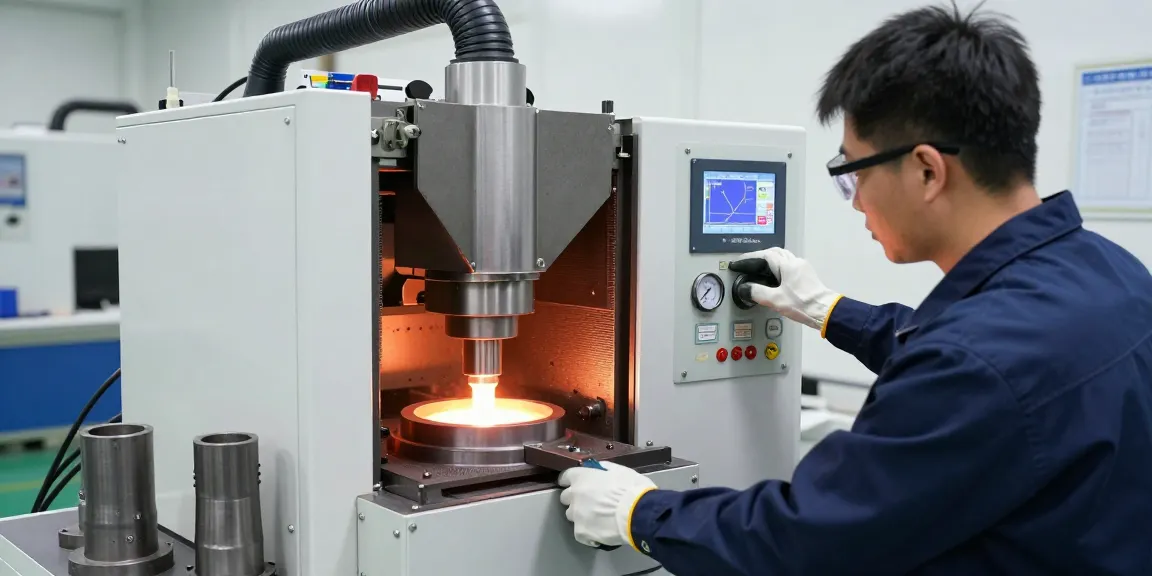
In the rapidly evolving glass processing industry, glass cutting machines serve as a cornerstone for manufacturing efficiency and precision. These machines are designed to transform raw glass into shapes and sizes suitable for various applications in construction, automotive, and decorative projects. As technology advances, understanding the functionality and options available in glass cutting machinery becomes essential for businesses aiming to enhance productivity and reduce waste.
Types of Glass Cutting Machines Available
There is a diverse range of glass cutting machines tailored for different industrial needs. Some of the most common types include:
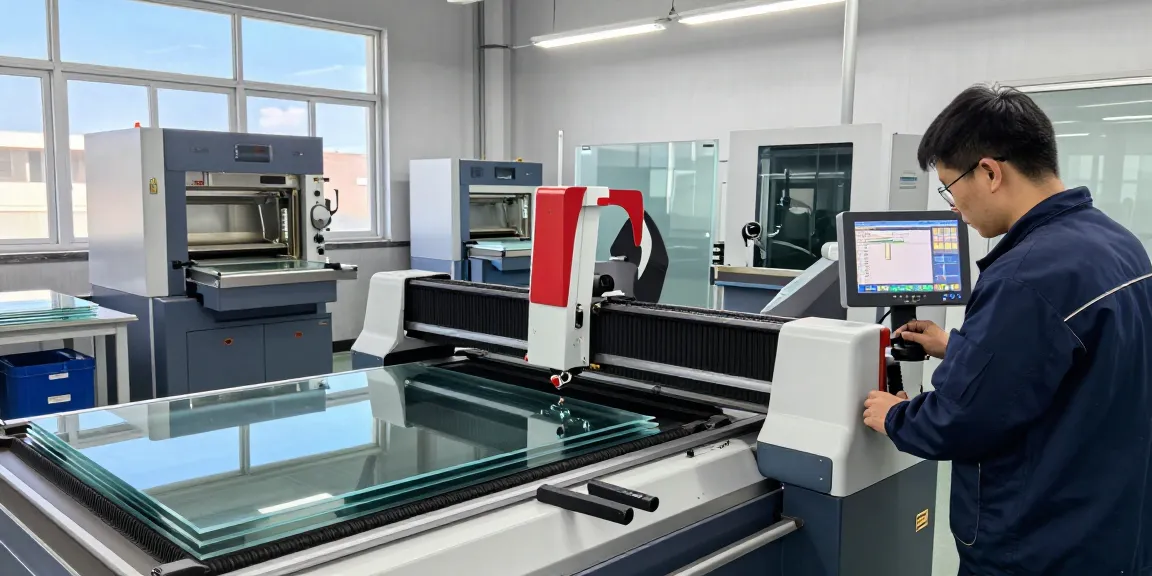
- CNC Glass Cutting Machines: Utilizing computer numerical control, these machines provide high precision and automation, making them ideal for large-scale production.
- Semi-Automatic Glass Cutting Machines: Offering a balance between manual labor and automated processes, these machines require operator input for some tasks while automating others.
- Manual Glass Cutting Tools: These are basic tools ideal for smaller projects or craftsmanship, often employed by hobbyists and artisans.
- Laser Cutting Machines: These advanced machines use laser technology for high-precision cuts and intricate designs.
Key Features of Advanced Glass Cutting Machines
Modern glass cutting machines come equipped with various features that enhance their usability and efficiency:
- Programmable Logic Controllers (PLC): Allow for easy programming and operation adjustments, increasing versatility.
- High-Speed Cutting: Reduces production time, which is crucial for meeting market demands.
- Automatic Loading Systems: Streamline the workflow by automatically feeding glass sheets into the cutting area.
- Advanced Safety Mechanisms: Ensure operator safety while maintaining machine performance.
Benefits of Using CNC Glass Cutting Technology
CNC technology revolutionizes the glass cutting process through its precision and automation. Benefits include:
- Increased Accuracy: CNC machines minimize errors that are common in manual cutting, ensuring consistent output quality.
- Enhanced Efficiency: Automated processes allow for faster production cycles and reduced downtime.
- Design Flexibility: CNC technology supports complex designs and patterns, accommodating custom requests from clients.
Choosing the Right Glass Cutting Machine for Your Business
When investing in a glass cutting machine, it’s crucial to assess various factors that align with your production needs and budget. Factors to consider include:
Assessing Your Production Needs and Scale
Determine the volume of production required and the types of glass you intend to process. A high-volume manufacturer might require a CNC automatic glass cutting machine with an integrated loading table, while smaller operations may benefit from semi-automatic solutions. Additionally, consider the types of projects you will handle—different glass types, thicknesses, and shapes demand different cutting approaches. When exploring options, glass cutting machine can provide comprehensive insights into various solutions tailored for specific applications.
Evaluating Machine Specifications and Features
Understanding the technical specifications of potential machines—including cutting speed, thickness capacity, and software compatibility—is essential. Ensure that the machine you select meets industry standards and is capable of handling future production requirements.
Cost Considerations and Budgeting for Equipment
Pricing for glass cutting machines can vary significantly based on technology and features. Allocate a budget that not only covers the initial purchase but also considers maintenance, training, and potential upgrades. Investing in higher-quality machines may lead to lower long-term costs due to reduced waste and improved efficiency.
Best Practices for Operating Glass Cutting Machines
To maximize the efficiency and lifespan of glass cutting equipment, operators should adhere to best practices in operation and maintenance.
Safety Protocols in Glass Processing Environments
Ensuring a safe work environment is paramount. Operators should be trained in safety protocols, including the proper use of personal protective equipment (PPE), understanding machine controls, and emergency procedures. Regular safety audits and maintenance checks can preemptively address potential hazards.
Routine Maintenance for Optimal Performance
Regular maintenance schedules should be established to inspect and service machines. This includes cleaning cutting blades, checking electrical systems, and ensuring the cooling systems are functioning correctly. Proper maintenance minimizes downtime and extends the machine’s operational life.
Operator Training for Increased Efficiency
Investing in comprehensive training for operators is crucial. Well-trained staff can operate machines more efficiently, make the best use of features, and identify problems before they escalate. Training should include both technical skills and safety protocols.
Emerging Trends in Glass Cutting Technology for 2026
The glass processing industry is on the brink of significant advancements that are expected to shape the landscape in 2026 and beyond. Keeping an eye on emerging trends can help businesses remain competitive.
Automation and Smart Technologies in Glass Processing
As industries move towards automation, glass processing is no exception. Smart technologies, including IoT-enabled machines, allow for remote monitoring and real-time data analytics. This connectivity enhances decision-making, improves maintenance schedules, and optimizes production efficiency.
Environmental Considerations and Sustainable Practices
With increasing global awareness of environmental issues, sustainable practices in glass processing are gaining traction. Manufacturers are focusing on reducing waste, recycling glass scraps, and using energy-efficient machines to minimize their carbon footprint.
Innovations in Glass Material and Design Processing
Novel materials, such as low-iron glass and smart glass, are being developed, requiring advanced cutting technologies that can handle unique properties. Additionally, the demand for intricate designs is leading to innovations in cutting techniques, including laser and water jet cutting systems.
Case Studies: Successful Implementations of Glass Cutting Machines
Examining real-world applications provides insights into the effectiveness of different glass cutting solutions. Here are a few notable case studies:
Industry Leaders and Their Glass Cutting Solutions
Many leading glass manufacturers have successfully implemented CNC technologies to enhance their production capabilities. For instance, a large glazing company upgraded to a CNC jumbo glass cutting line, which significantly improved their production speed and precision, reducing waste in the process.
Results from Upgrading to CNC Technologies
Another industry player transitioned from manual cutting to a fully automated CNC glass cutting machine. This shift resulted in increased production rates by up to 50% and drastically improved quality assurance, showcasing the benefits of investing in state-of-the-art equipment.
Customer Testimonials on Performance and Service
Customer feedback is invaluable when evaluating glass cutting machines. Many operators report enhanced ease of use and lower operational costs after upgrading to modern systems, proving that investing in cutting-edge technology pays off in the long run.
What are the advantages of a CNC glass cutting machine?
The advantages of a CNC glass cutting machine include unparalleled precision, reduced waste, and increased production speed, enabling manufacturers to meet high-demand scenarios efficiently.
How can I improve my glass cutting process?
Improving your glass cutting process can be achieved by regularly maintaining equipment, investing in training for operators, and incorporating advanced technologies that enhance precision and efficiency.
What maintenance is required for glass cutting machines?
Regular maintenance for glass cutting machines includes blade sharpening or replacement, cleaning cutting areas, checking for wear on mechanical parts, and ensuring software updates are implemented to enhance performance.
Are glass cutting machines suitable for small businesses?
Yes, there are various glass cutting machines available that cater to small businesses, including semi-automatic and manual models, which can help them efficiently handle both small and large projects.
What innovations can I expect in glass processing technology in 2026?
In 2026, expect innovations such as smarter automation, enhanced energy efficiency, and new cutting methods that incorporate artificial intelligence and machine learning to optimize the glass processing workflow.