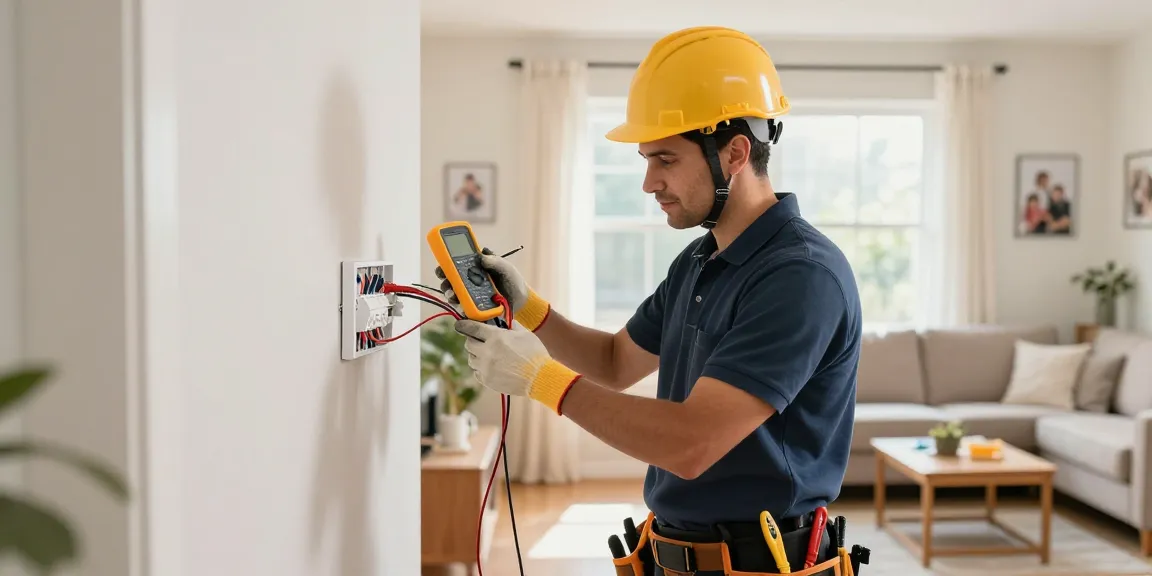
Understanding Home Electrical Safety
Home electrical safety is an essential component of maintaining a secure and efficient living environment. With the increasing complexity of modern electrical systems, homeowners must be vigilant about potential hazards. Hiring a home electrical safety electrician can greatly reduce risks and ensure your home’s electrical system operates at optimal safety standards. From faulty wiring to improper appliance use, understanding the fundamentals of electrical safety can empower homeowners to take preventative measures against accidents and potential disasters.
What is Home Electrical Safety?
Home electrical safety refers to the practices and precautions taken to prevent electrical hazards in residential settings. This includes ensuring that wiring is up to code, using appliances safely, and understanding how to respond in case of an emergency. It is a critical aspect of overall home safety, as electricity can pose severe risks including fires, electric shocks, and property damage.
Common Electrical Hazards in Homes
There are several common electrical hazards that homeowners should be aware of:
- Overloaded Circuits: Plugging too many devices into a single outlet can cause overheating and potentially lead to fires.
- Exposed Wires: Frayed or damaged wiring can expose live electrical components, which are dangerous and should be repaired immediately.
- Improperly Installed Lighting Fixtures: Fixtures that are not installed correctly can pose shock hazards or may not properly support the weight of the bulbs.
- Old or Faulty Appliances: Using outdated or malfunctioning devices can increase the risk of electrical fires and other hazards.
Importance of Professional Electricians
While DIY projects can be satisfying, electrical work is best left to professionals. Qualified electricians have the training and knowledge to identify potential hazards and implement solutions that comply with safety regulations. They can perform comprehensive inspections that highlight issues that may not be visible to the untrained eye.
Choosing the Right Home Electrical Safety Electrician
Certifications and Qualifications to Look For
When hiring an electrician, it’s important to verify their certifications. Look for electricians who are licensed and insured, as these qualifications indicate they have met industry standards. Additionally, certifications from recognized organizations can provide added assurance of their expertise.
Evaluating Electrician Experience and Reviews
Experience matters in the electrical field. An electrician with a proven track record is more likely to complete tasks efficiently and safely. Reading customer reviews and testimonials can provide insights into the electrician’s reliability and quality of work. Look for feedback regarding their attention to detail and ability to communicate effectively.
Questions to Ask Before Hiring
To ensure you select the right electrician, consider asking the following questions:
- What is your experience with residential electrical systems?
- Can you provide references from past clients?
- What safety protocols do you follow during a job?
- Do you offer a warranty or guarantee on your work?
Essential Practices for Home Electrical Safety
Routine Electrical Inspections and Maintenance
Regular inspections are vital to maintaining safety in your home. Schedule periodic evaluations with a licensed electrician to identify and rectify potential hazards before they escalate. Inspections can help ensure compliance with current safety standards and can include testing smoke detectors and carbon monoxide alarms.
Safe Use of Electrical Appliances
Understanding how to use electrical appliances safely is crucial. Always follow the manufacturer’s guidelines, avoid using appliances near water, and never attempt to repair damaged cords or plugs yourself. Always unplug appliances when not in use to prevent any risk of overheating or electrical fires.
Understanding Circuit Breakers and Fuses
Knowing how your circuit breakers and fuses work can aid in maintaining electrical safety. Circuit breakers are designed to cut off power during overloads, while fuses do the same but require replacement after they blow. Familiarize yourself with your home’s electrical panel and understand how to reset breakers safely.
Common DIY Mistakes and Misconceptions
Overloading Circuits: A Common Mistake
One of the most prevalent mistakes homeowners make is overloading electrical circuits. This can occur when multiple high-wattage devices are used at once on the same circuit, leading to overheating. Always know your circuit’s capacity and avoid using too many appliances simultaneously.
Myths About Electrical Repairs
There are numerous myths surrounding DIY electrical repairs. Many people believe that if they turn off the power, they can safely work on any electrical task. This is not always true, as there may still be live wires present. It’s crucial to understand the specific risks involved with electrical systems before attempting any repairs.
The Risks of DIY Electrical Work
While many home improvement projects can be undertaken by homeowners, electrical work is best left to the professionals. Not only can improper repairs lead to hazardous situations, but they can often void insurance policies. Always prioritize safety by hiring a qualified electrician for any significant electrical tasks.
Future Trends in Electrical Safety
Smart Home Technology and Electrical Safety
With the rise of smart home technology, homeowners are benefiting from enhanced safety features such as smart smoke alarms, security cameras, and automated lighting. However, these devices also require proper installation and maintenance to ensure they do not introduce new risks.
Predictive Maintenance and Home Automation
As technology continues to evolve, predictive maintenance is set to become a crucial aspect of home electrical safety. This approach involves using smart devices to monitor electrical systems and predict failures before they occur, helping to prevent accidents and extend the lifespan of equipment.
Emerging Safety Standards and Regulations for 2026
As technology advances, so do safety standards and regulations. Homeowners should stay informed about changes to electrical codes, particularly those impacting smart technology and energy efficiency. Proactively adjusting to these regulations will ensure continued safety and compliance.
What are the Signs of Electrical Issues?
Being aware of the signs of electrical issues is essential for every homeowner. Look out for flickering lights, circuit breakers that frequently trip, burning smells, or outlets that feel warm to the touch. These can be indicators of underlying problems that need immediate attention.
How to Prepare for Electrical Emergencies?
Preparation is key for electrical emergencies. Create an emergency plan that includes locating your circuit breaker panel, knowing how to shut off power in critical areas, and keeping a list of emergency contacts, including your electrician. Additionally, having a fire extinguisher suitable for electrical fires can be invaluable.
What Should Homeowners Know about Surge Protectors?
Surge protectors are essential for protecting your electronic devices from sudden spikes in electricity. Homeowners should invest in quality surge protectors for sensitive equipment such as computers and televisions. To maximize protection, it’s wise to use whole-house surge protectors along with individual devices.
What are the Best Practices for Safe Electrical Installations?
For safe electrical installations, always adhere to local codes and regulations. Use appropriate materials, and don’t cut corners on quality. Ensure that all installations are performed by licensed electricians who follow recommended safety practices.
How can I ensure my home meets electrical safety codes?
To ensure your home meets electrical safety codes, consider scheduling an inspection by a qualified electrician. They can provide guidance on bringing older electrical systems up to current standards. Keep records of any work done and stay informed about changes to local electrical codes.